Online Medical Billing and Coding Certification Prep
Become a Certified Medical Billing and Coding Specialist
This 100% online medical billing and coding course prepares you for success as you learn about legal, ethical, and regulatory concepts central to this field, including HIPAA compliance, official coding guidelines, and third-party payer requirements.
You can also choose a voucher for the professional medical billing and coding certification that best aligns with your interests and career goals: Certified Professional Coder (CPC), Certified Coding Associate (CCA), or Certified Billing and Coding Specialist (CBCS). This flexibility sets the course apart and helps you focus on the credential pathway that fits your goals.
Upon completing this course, you will earn a Certification of Completion and be prepared for your selected certification exam.
Job Outlook for Medical Billing and Coding Specialists
According to the U.S. Bureau of Labor Statistics (BLS), the average annual salary of medical billing and coding specialists is $47,180 (as of May 2022). Jobs for these professionals are projected to grow by 8% through 2032, faster than the average for all occupations.
The BLS also estimates that an average of at least 15,000 job openings for medical billers and coders are expected annually over the decade.
Medical Billing and Coding FAQs
What Does a Medical Biller and Coder Do?
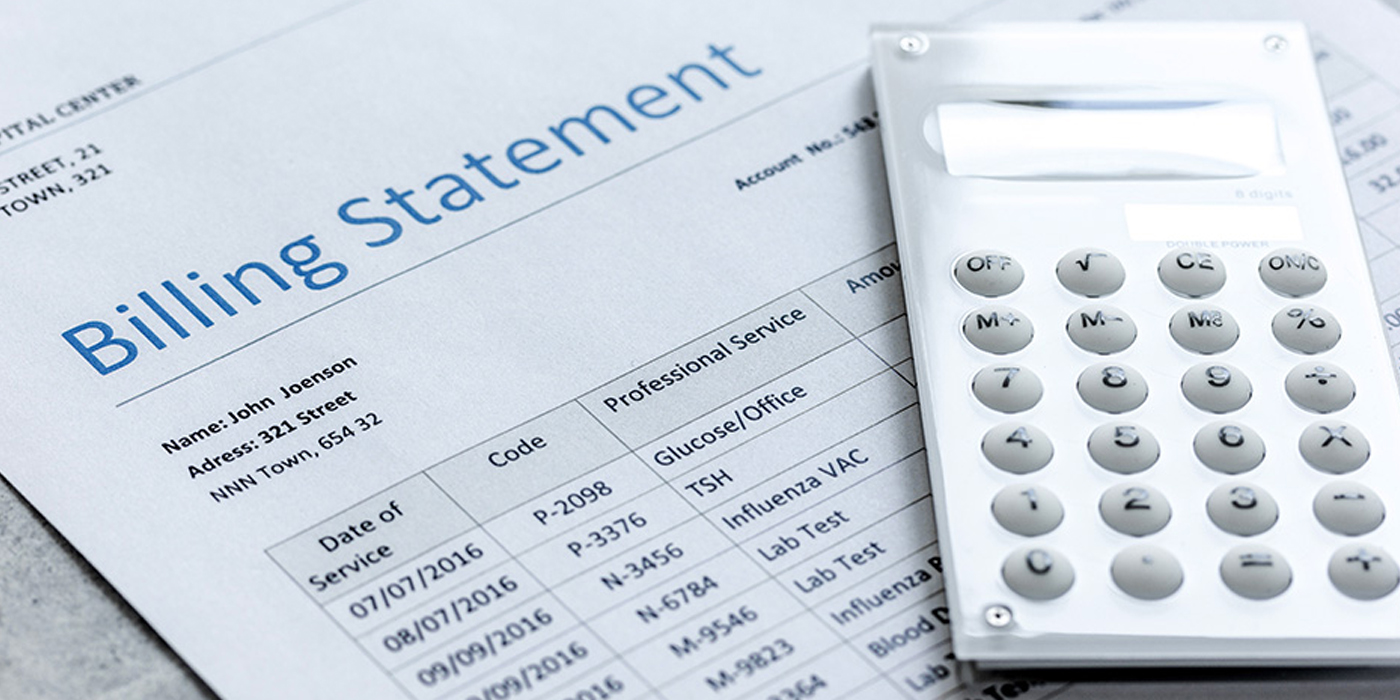
Medical billers and coders process patient data, including medical records and related insurance information. In this role, you will code a patient’s diagnosis and request payment from the patient’s insurance company. You will help ensure healthcare providers are paid accurately and efficiently for the treatment they provide.
Is There a Difference Between Medical Billing and Medical Coding?
Yes. Medical coders translate patient care into Current Procedural Terminology (CPT) codes and ensure medical services are accurately coded. Medical billers create claims based on the codes provided by coders. Many professionals develop skills in both medical billing and medical coding.
What Are the Requirements for a Medical Billing and Coding Career?
Entry-level roles typically require completing a certificate program and passing a certification exam, or completing an associate degree program in medical billing and coding. Professionals must also understand HIPAA regulations.
How Long Does It Take to Become a Medical Biller and Coder?
In most cases, it takes between one and three years. Certification preparation can take up to one year, while an associate degree may take up to three years.
What Is the Difference Between Certification Exams (CPC, CCA, and CBCS)?
Earning a CPC, CCA, or CBCS credential indicates that an individual has demonstrated competencies in medical billing and coding. This course helps students make informed decisions about the certification pathway that best fits their career goals.
The Certified Professional Coder (CPC) exam is offered by the American Academy of Professional Coders (AAPC) and is a widely recognized entry-level coding credential for physician (professional fee) coding.
The Certified Coding Associate (CCA) credential is offered by the American Health Information Management Association (AHIMA). It is an entry-level medical coding certification across settings, including physician practices and inpatient hospital environments.
The Certified Billing and Coding Specialist (CBCS) credential is offered by the National Healthcareer Association (NHA) and is an entry-level certification emphasizing medical billing and coding skills for physician practices.
Is Medical Billing and Coding a Good Career?
U.S. News & World Report has ranked medical records technician roles (which may include billing, coding, or both) among its top jobs that don’t require a college degree, and also lists them among leading health care support roles.
Course Objectives
Medical Billing and Coding
- Build medical coding terminology knowledge, including basic human body structures and functions
- Identify disorders and medical procedures common to each body system
- Understand legal, ethical, and regulatory concepts, including HIPAA compliance and third-party payer guidelines
- Learn the main coding manuals: ICD-10-CM, ICD-10-PCS, CPT, and HCPCS Level II
- Code diagnoses, services, and procedures across all systems of the body
- Learn fundamentals of medical billing and coding and medical terminology
- Understand word parts and the structures and functions of the human body
Prerequisites and Requirements
There are no prerequisites to take this course.
Instructors
Nancy Smith
Nancy Smith has over 30 years of experience in the healthcare industry. Her clinical experience includes working as a medical assistant for a network of rural health clinics, and as a medical coder, insurance claims specialist, and medical records auditor. Nancy holds a bachelor’s degree in vocational education and has developed and taught medical assistant programs.
LaTisha Cottingham
LaTisha Cottingham has over 20 years of experience in the healthcare industry and six years of teaching experience in medical billing and coding and medical assisting. She is currently employed as an HIM Analyst for a long-term care establishment based out of Alabama.
Registration and Enrollment
This course is 100% online. Start anytime.